The vineyard

Our grape varieties

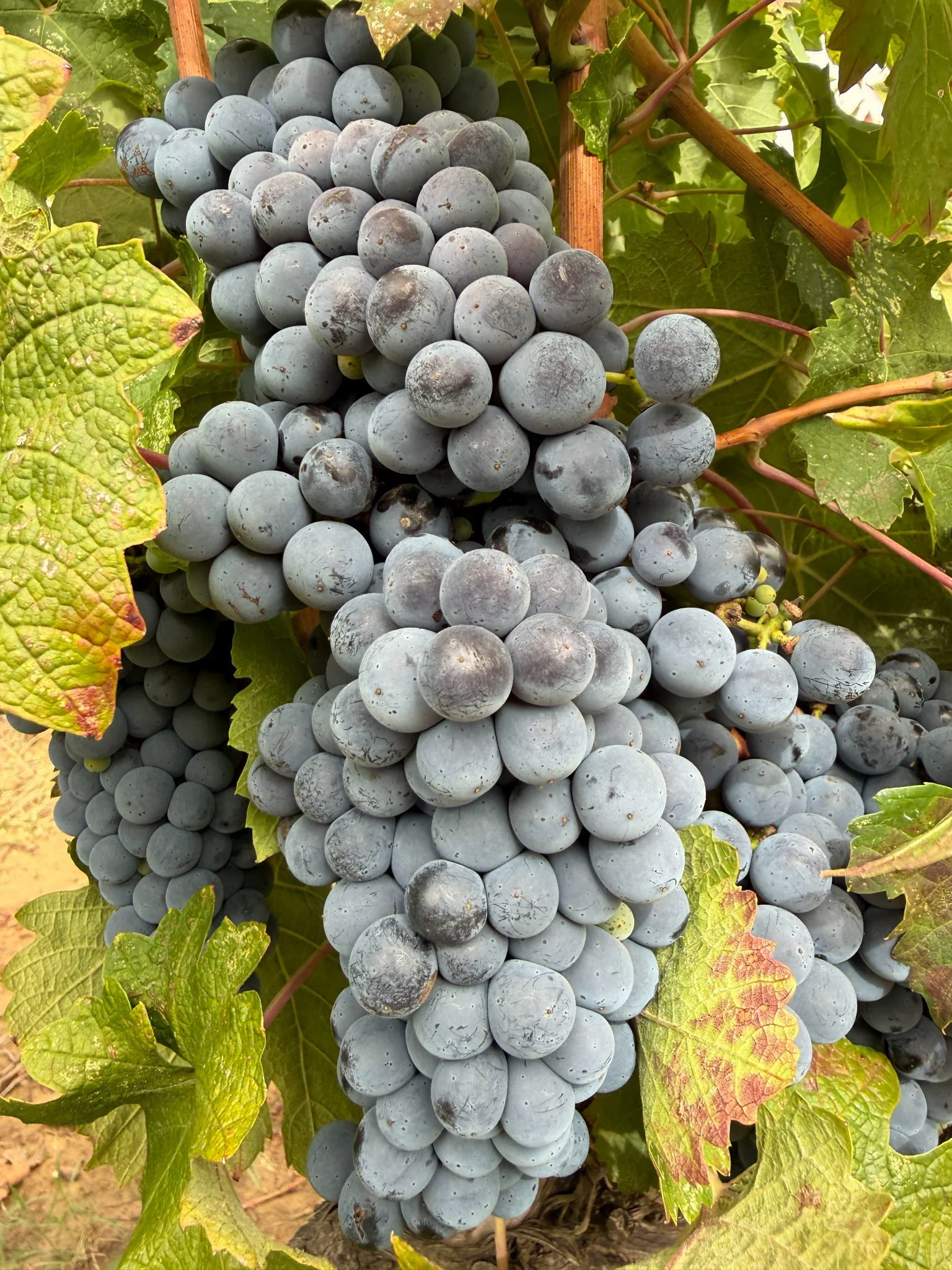
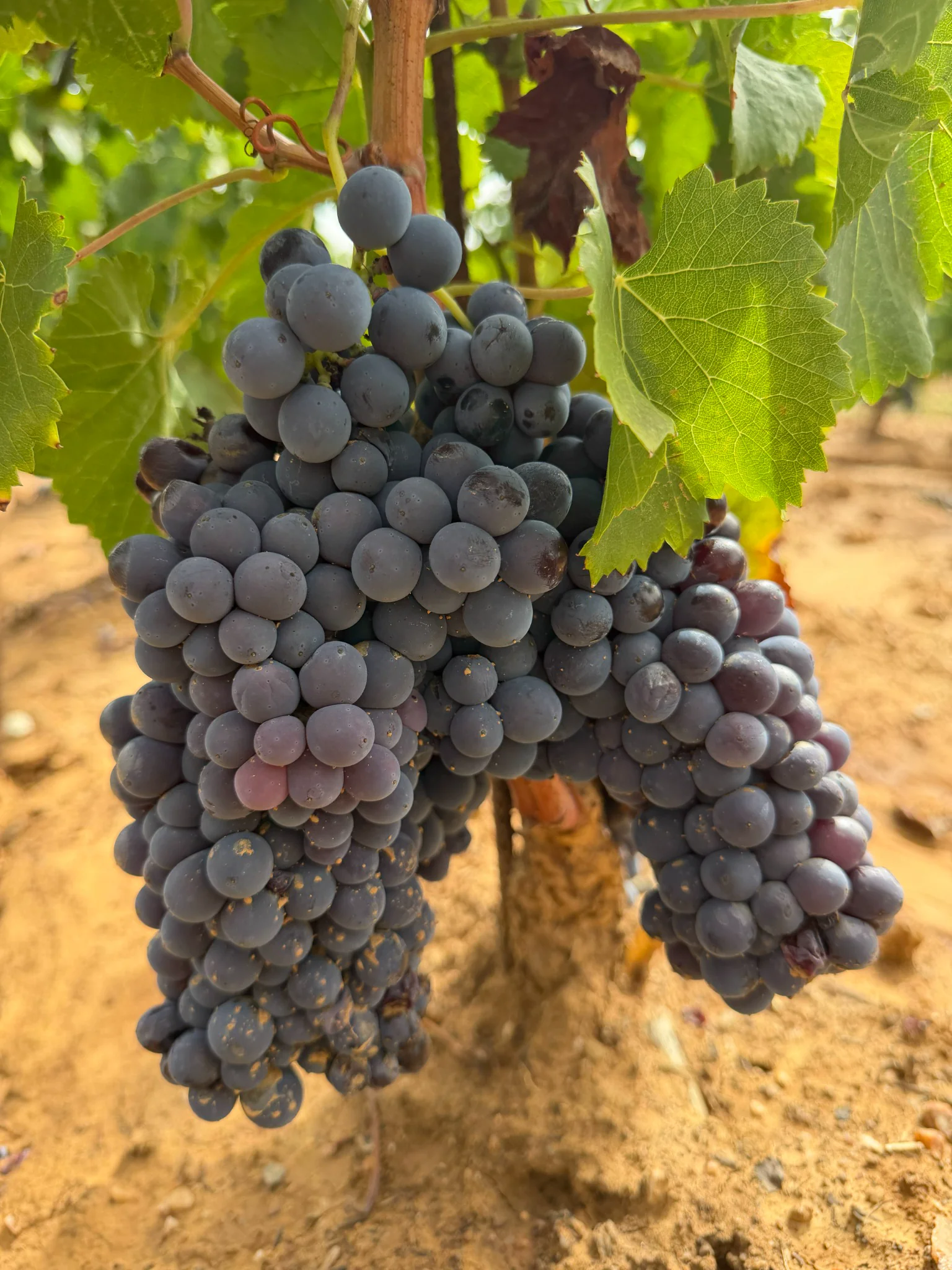
Nine Provençal grape varieties grown throughout the Domaine.

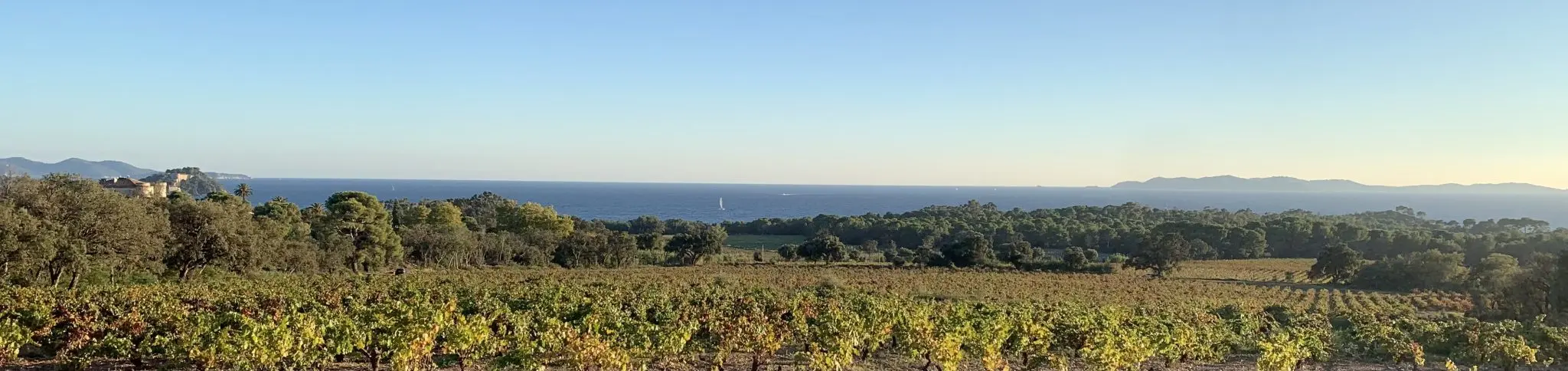
Panoramic view of Domaine de Brégançon and the Mediterranean
01

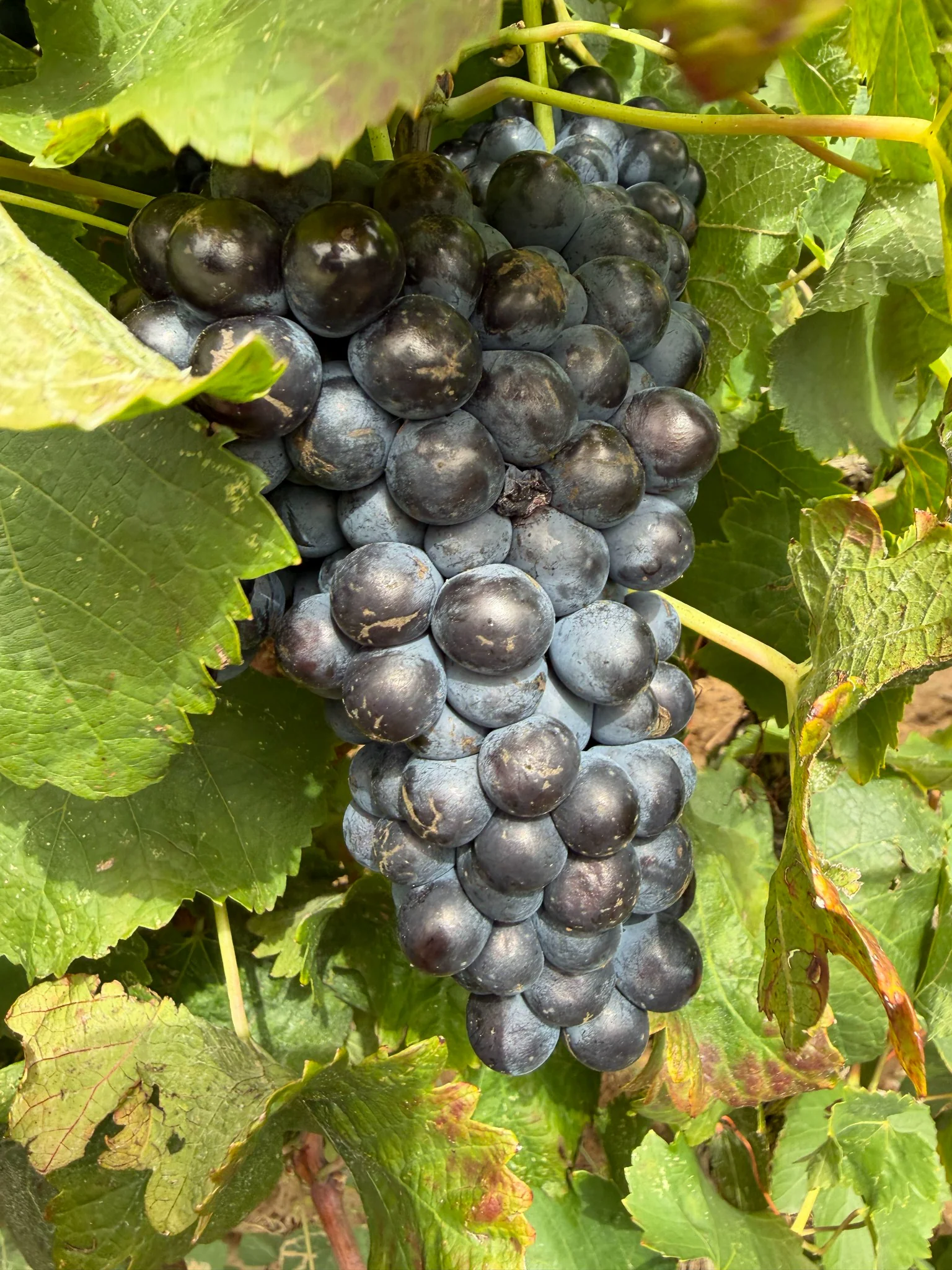
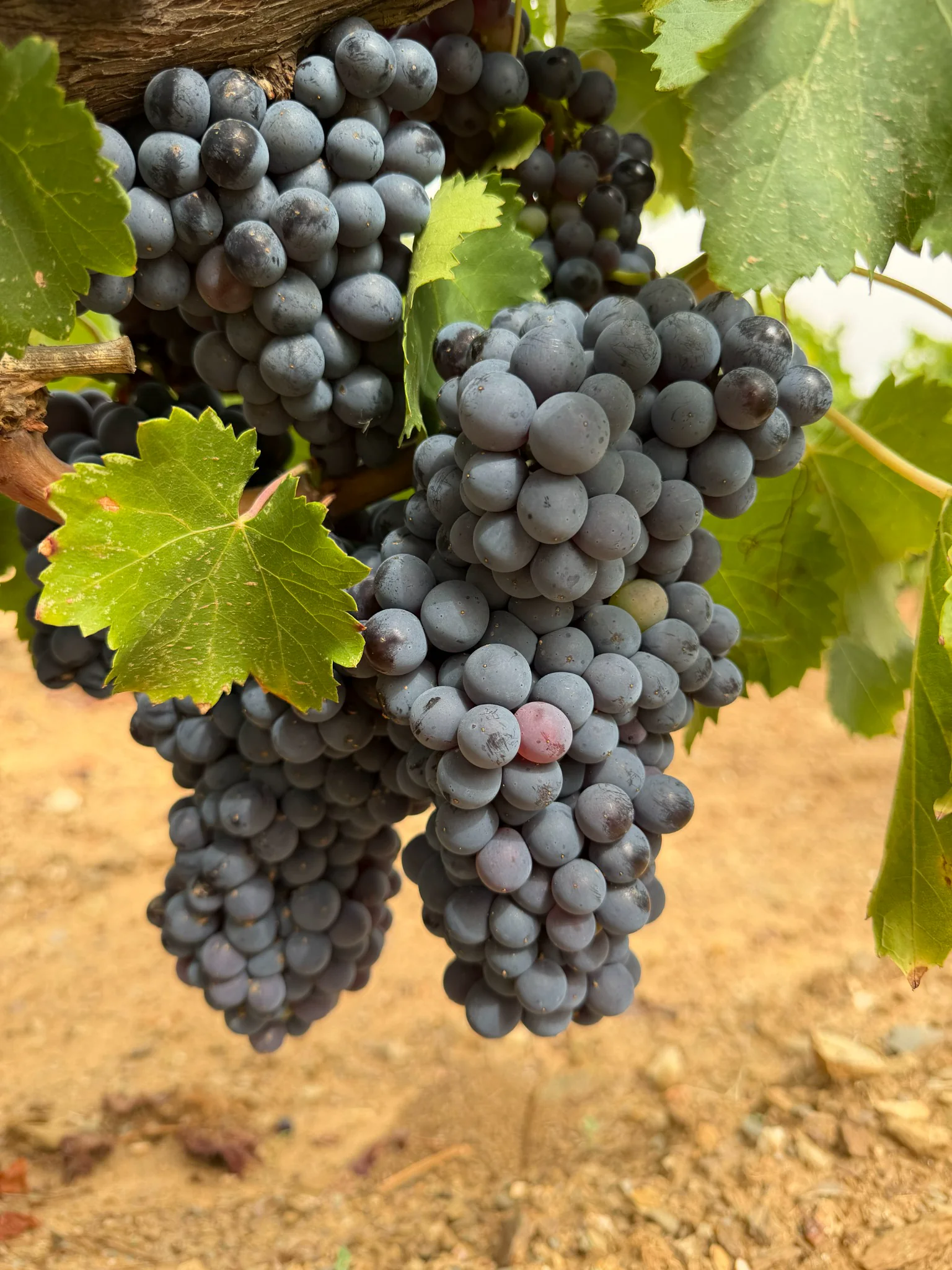
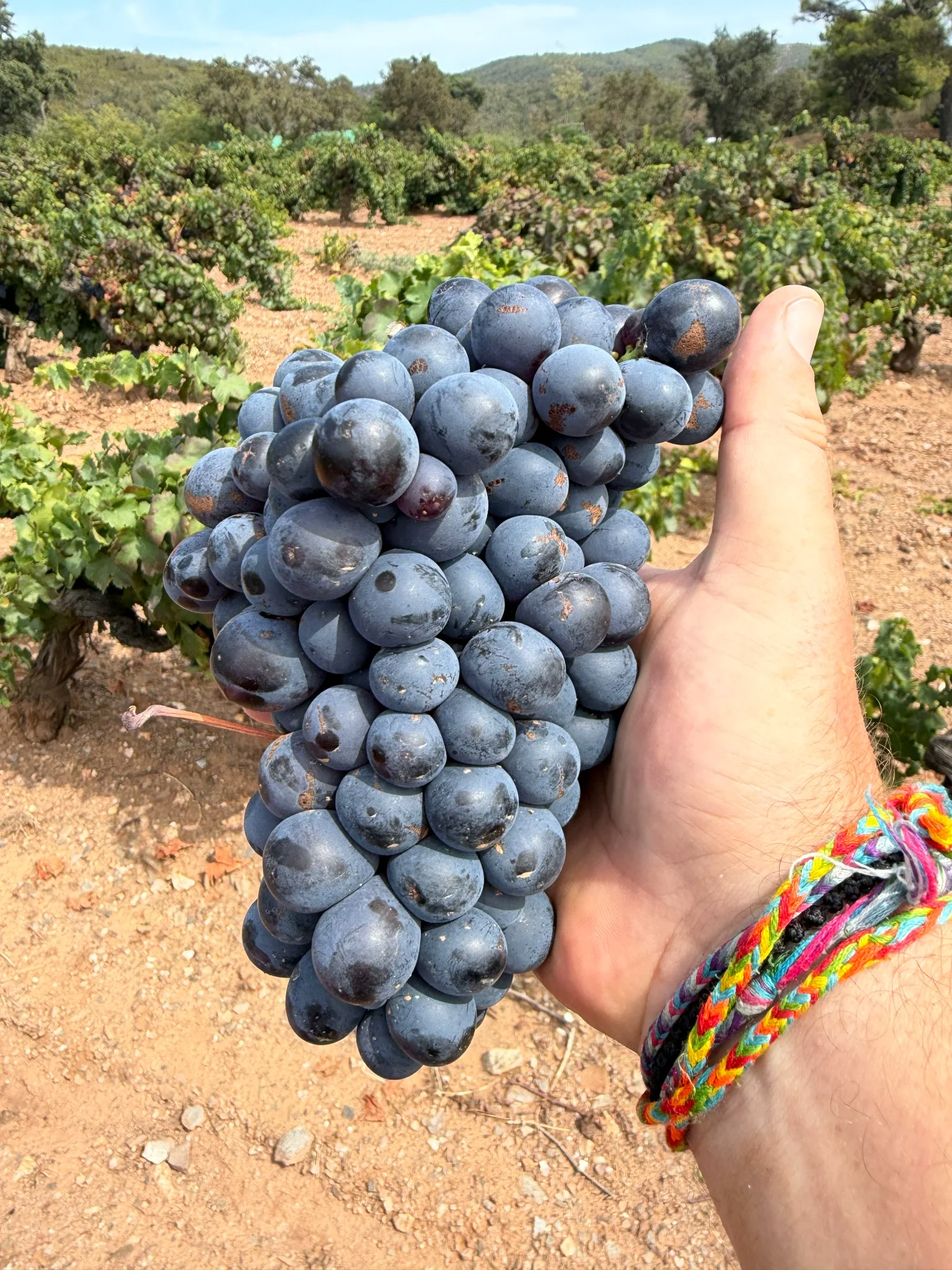
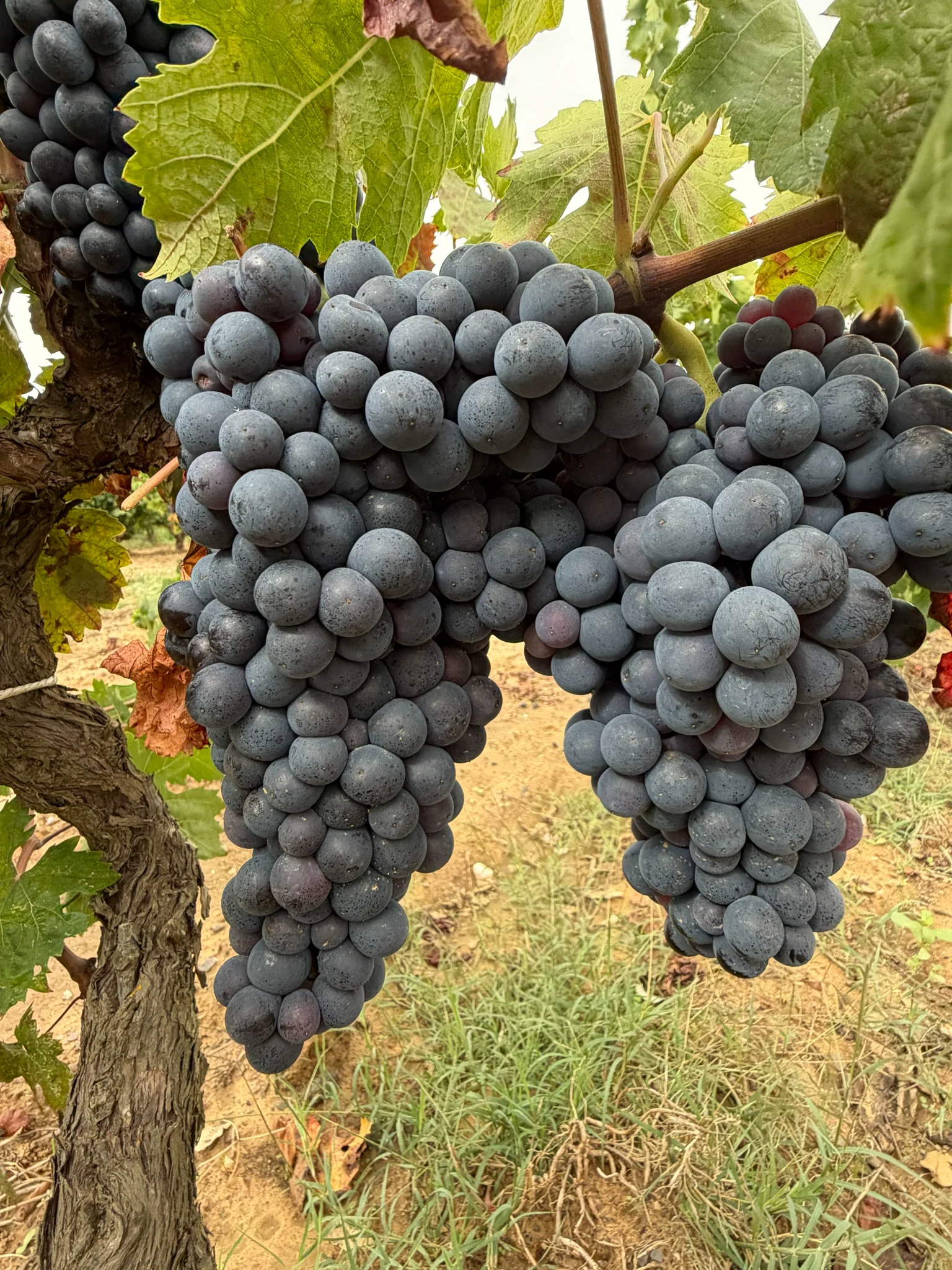
Rolle, Ugni blanc, Sémillon blanc, Syrah, Grenache noir, Cinsault, Carignan, Cabernet Sauvignon and Caladoc make up the Domaine’s vineyard.

Nine white and red grape varieties reflect the diversity of the Domaine’s soils and exposures.

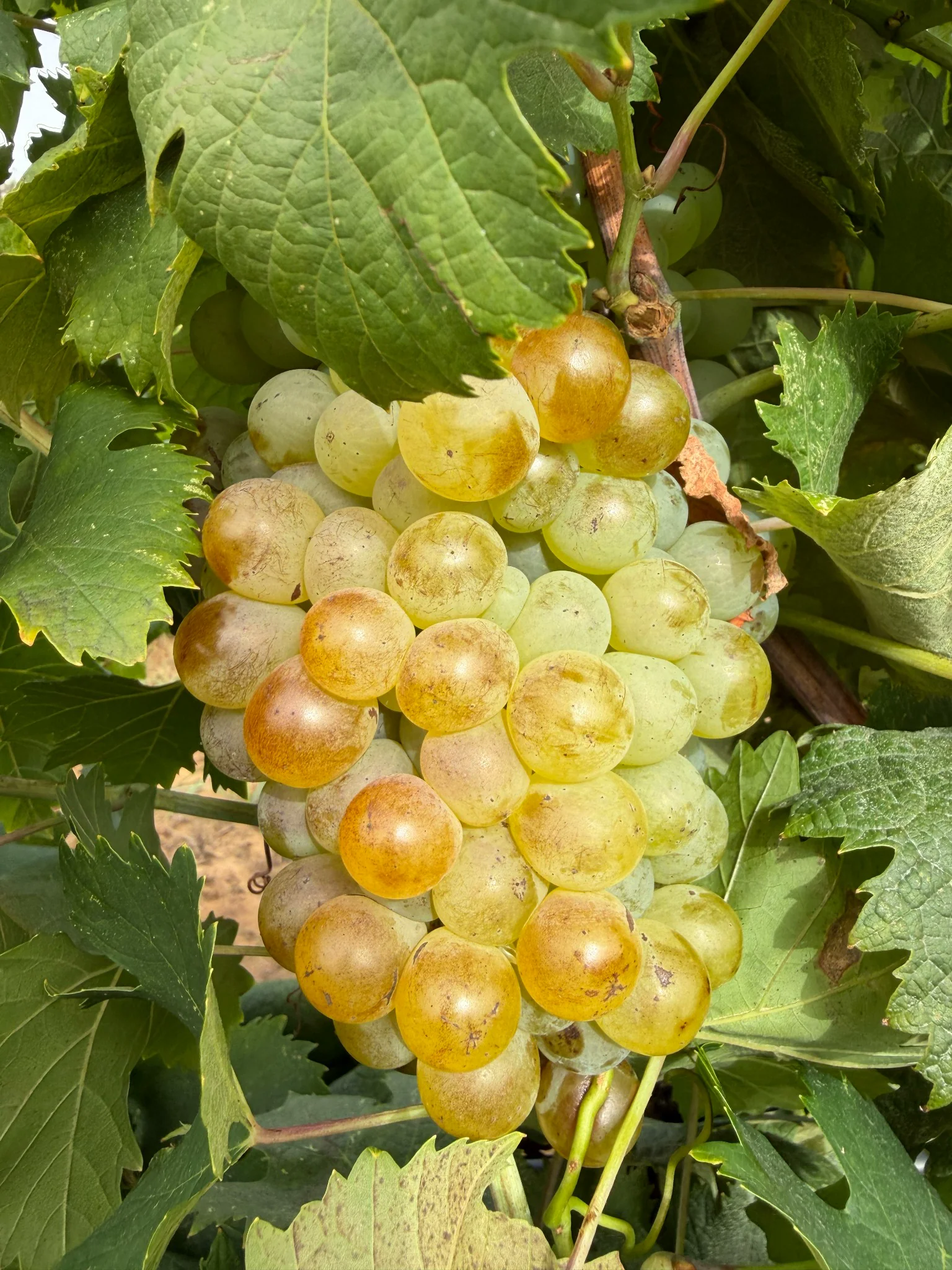
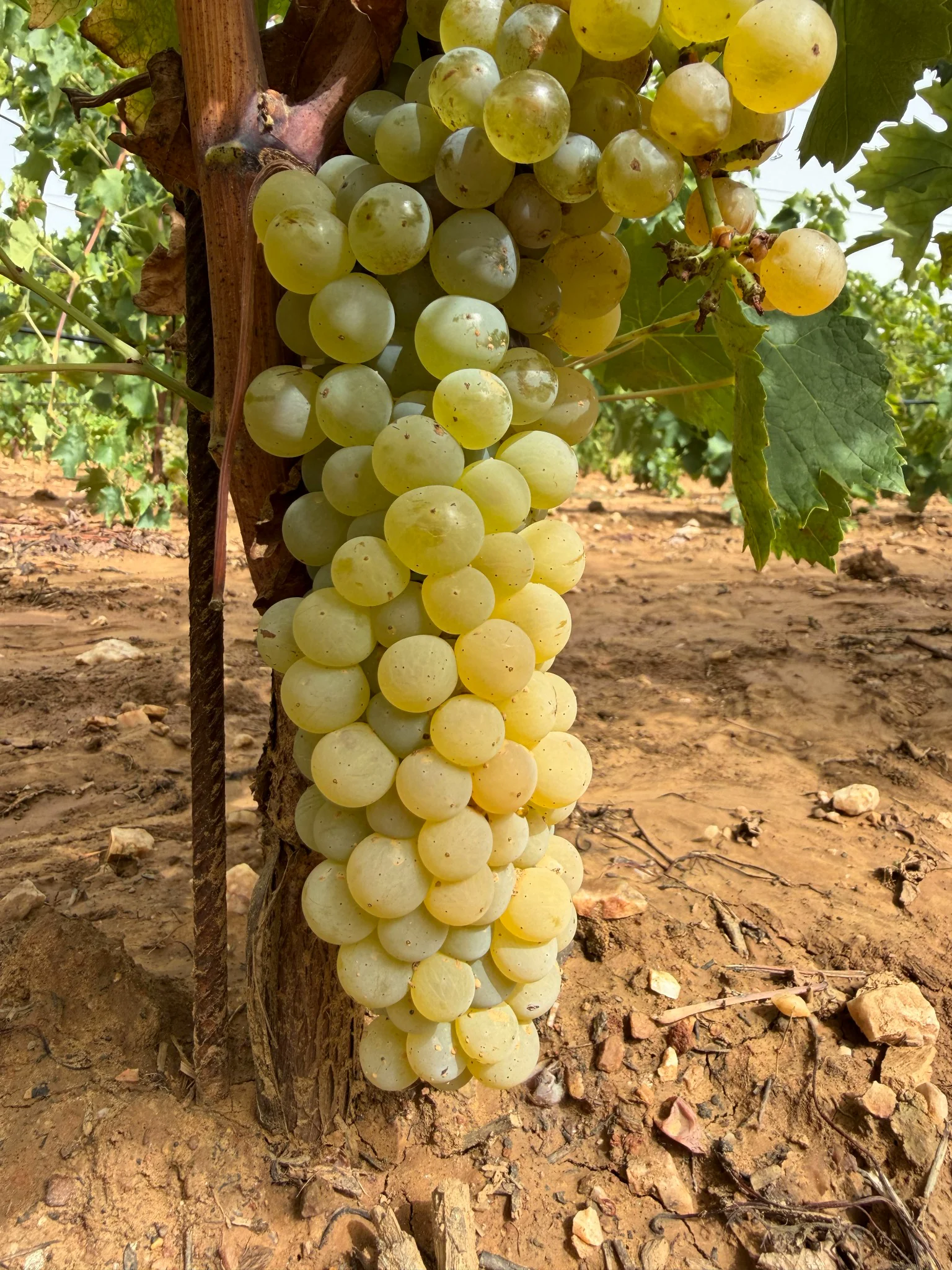
Bunch of Rolle grapes

White grape variety

Rolle

Synonyms: In Corsica, Rolle is known as Vermentino.

History and geographical distribution: Long cultivated in Provence and Corsica, Rolle appears to be native to Italy. A quintessentially Mediterranean variety, it is now well established in southern France and around the Tyrrhenian Sea.

Description and cultivation: Fairly productive and vigorous, it should be short-pruned. Careful trellising helps support its canopy. It is particularly well suited to hot areas and to dry, low-fertility terroirs.

Winemaking and use: Rolle produces pale, refined, balanced and full-bodied white wines. Its aromatic richness is redolent of hawthorn and pear. On the coastal sands of Brégançon, it expresses a bright, fresh, maritime character.

Ampelographic characteristics: Its bunches and berries are large. The slightly elliptical berries turn golden yellow at ripeness. Its mature, dark-green leaves usually have five to seven lobes with deep lateral sinuses.
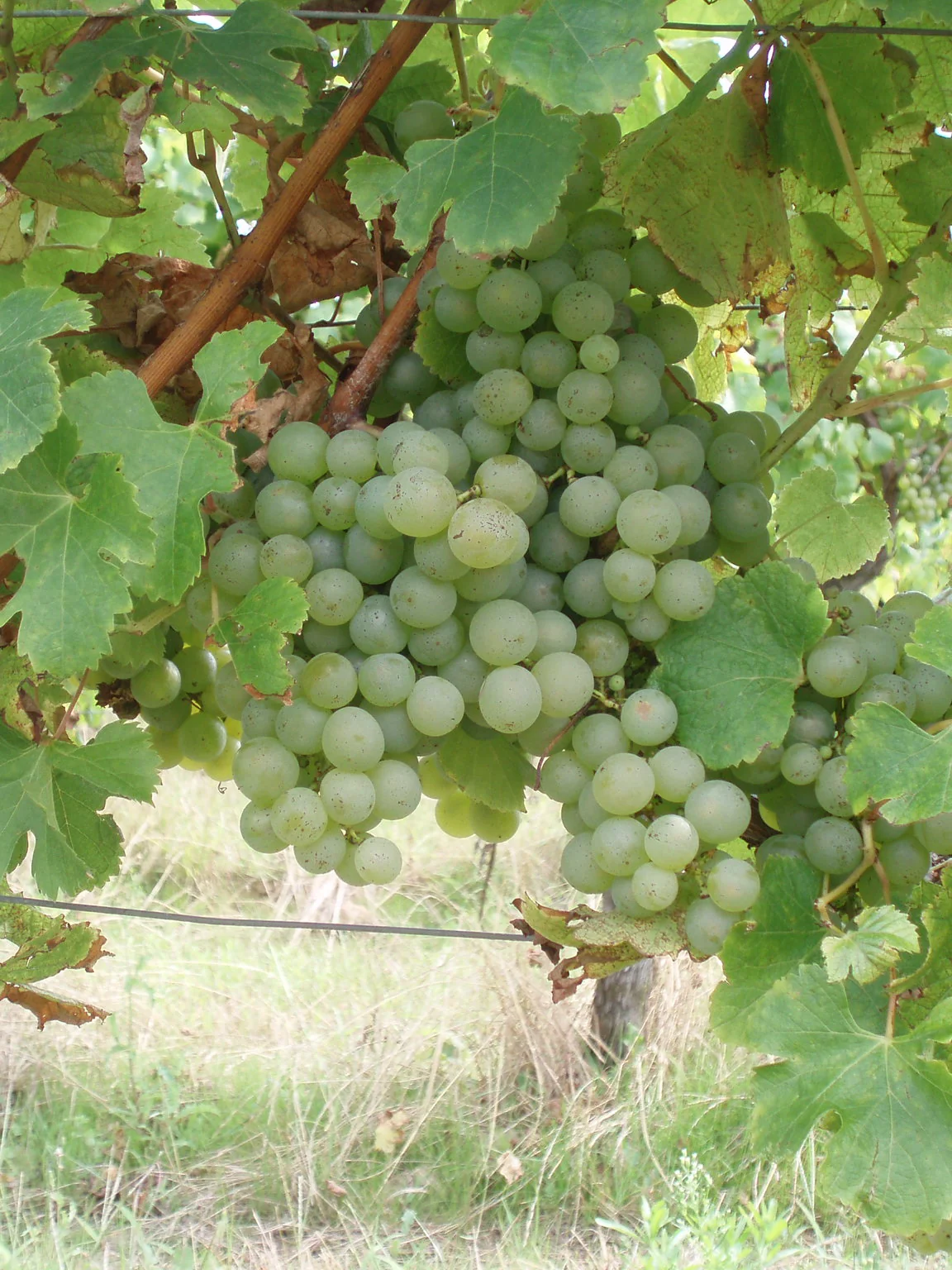
Bunch of Ugni blanc grapes

White grape variety

Ugni blanc

Synonyms: Native to Italy, Ugni blanc is known there in particular as Trebbiano toscano. Within the European Union, it may also be designated by the names Biancame, Talia or Trebbiano.

History and geographical distribution: Originating in Tuscany, Ugni blanc has long been established in Provence. An early-twentieth-century ampelographic treatise records its presence in southern Var and around the Gulf of Saint-Tropez. Its adaptability explains its widespread cultivation in France.

Description and cultivation: Highly vigorous, it adapts to a range of training systems, pruning methods and growing conditions. Its flexible growth habit and sensitivity to wind generally make trellising preferable, particularly on exposed plots.

Winemaking and use: When vinified as a white wine, it produces dry, crisp and balanced wines with a restrained aromatic profile. In blends, it contributes tension and freshness, with notes of citrus, quince and, at times, a balsamic nuance near the Mediterranean coast.

Ampelographic characteristics: Its bunches are very large, very long and often branched, resembling a fox’s tail. Its round, small to medium-sized berries have yellow-green skins that may develop a faint pink blush when overripe.

Bunch of Sémillon blanc grapes

White grape variety

Sémillon blanc

Synonyms: The variety’s official name is “Semillon”. No synonym is officially recognised in France or in any other European Union country. “Sémillon blanc”, used here to emphasise its colour, therefore does not constitute a regulatory synonym.

History and geographical distribution: Originating in the Bordeaux wine region, Sémillon is one of South-West France’s historic white varieties, used in both dry and sweet wines. It is also firmly established in Australia, notably in the Hunter Valley, which has developed a distinctive style of its own.

Description and cultivation: Moderately vigorous and fairly productive, it is suited to short or moderately long pruning. Highly sensitive to site fertility, its yield varies by terroir. It favours gravelly or clay-limestone soils and requires close monitoring for grey mould.

Winemaking and use: With mature vines and controlled yields, Sémillon produces full-bodied, generous dry white wines with medium to low acidity. It can be vinified in barrel and has genuine ageing potential. Its susceptibility to Botrytis cinerea also enables the production of great botrytised sweet wines.

Ampelographic characteristics: Sémillon bears medium-sized bunches and large, rounded berries. Its mature leaves, light to medium green, generally have five lobes and a finely blistered blade. At ripeness, its grapes readily take on a golden hue.

Bunch of Syrah grapes

Red grape variety

Syrah

Synonyms: Syrah may also be called Sérine in France. The name Shiraz is widely used in several wine-producing countries, particularly Australia.

History and geographical distribution: Most likely native to the northern Rhône Valley or Dauphiné, it is a natural cross between Mondeuse blanche and Dureza. From the Rhône Valley to Provence, it subsequently spread to numerous wine regions around the world.

Description and cultivation: Its long shoots, which are vulnerable to wind damage, require careful trellising. Short pruning is generally sufficient in southern regions. Syrah performs poorly on soils with high active-lime content, and its optimum harvest window is relatively narrow.

Winemaking and use: It produces deeply coloured, refined, tannic red wines with excellent ageing potential and aromas of spice, violet, olive and black fruit. It can also produce highly fruity rosé wines and contributes colour and structure to blends.

Ampelographic characteristics: The bunches are small to medium-sized and bear small, elliptical berries of a deep blue-black colour. Its mature leaves generally have five lobes, while its green shoots have long internodes.

Bunch of Grenache noir grapes

Red grape variety

Grenache noir

Synonyms: Grenache noir is known in particular as Garnacha Tinta in Spain and Cannonau in Italy. Other official denominations occur throughout the Mediterranean basin, including Alicante and Tocai rosso.

History and geographical distribution: Native to Spain, it was introduced into France during the Middle Ages. It became deeply rooted in Mediterranean vineyards, from Aragon to Provence, including Roussillon, Languedoc and the Rhône Valley.

Description and cultivation: Highly vigorous and upright in habit, it should be short-pruned and trained either as a bush vine (gobelet) or as a cordon. It can be susceptible to coulure (poor fruit set) and prefers slightly acidic, gravelly or stony terroirs to highly calcareous soils.

Winemaking and use: Its strong potential for sugar accumulation produces generous, full-bodied, aromatic wines when yields are controlled. It brings roundness, fruit and spice to both red and rosé wines and can produce outstanding age-worthy wines.

Ampelographic characteristics: Its bunches are medium to large, while its medium-sized berries are rounded and covered with a heavy bloom. Young leaves are green and glossy; mature canes take on a distinctive yellow colour.

Bunch of Cinsault grapes

Red grape variety

Cinsault

Synonyms: The official French name is Cinsaut, although the form Cinsault is also recognised for vine plant material. In Italy, this variety may be designated Ottavianello.

History and geographical distribution: A southern variety, probably of Provençal origin, Cinsault has long been grown in southern France and around the Mediterranean. It has a historic place in Provence’s red and rosé blends.

Description and cultivation: Fertile, productive and highly drought-resistant, it gives its best results on poor, dry terroirs with controlled yields. Of low vigour and with a drooping growth habit, it should be short-pruned and carefully shoot-thinned.

Winemaking and use: On good, low-fertility terroirs, particularly schist, it produces fruity, sometimes spicy wines that are supple and approachable. Highly prized for rosé, it also brings finesse, freshness and delicacy to blends.

Ampelographic characteristics: Its bunches are large, and its very large berries are elliptical and black. Its mature leaves, orbicular and generally five-lobed, have fairly deep lateral sinuses and a slightly recurved main lobe.

Bunch of Carignan grapes

Red grape variety

Carignan

Synonyms: In Spain, Carignan is officially designated Mazuela. It is also commonly associated with the names Cariñena in Aragon, Carinyena in Catalonia and Carignano in Italy.

History and geographical distribution: Probably native to Aragon, it spread throughout the western Mediterranean basin. In France, it is closely associated with the vineyards of Languedoc-Roussillon and remains present in Provence, where dry hillsides provide favourable conditions.

Description and cultivation: Fertile, reliably productive and upright in habit, it responds well to short pruning and may be trained either as a bush vine (gobelet) or as a cordon. It is well suited to hot, dry, windy regions and low-fertility soils, particularly schist. It remains susceptible to powdery mildew.

Winemaking and use: From mature vines, with limited yields and on a high-quality site, Carignan produces deeply coloured, powerful and generous wines. Appropriate winemaking methods, particularly carbonic maceration, can soften its tannins and showcase its fruit.

Ampelographic characteristics: Its bunches and berries are medium to large; the berries are round or slightly elliptical. Its large mature leaves have five lobes and a distinctly puckered surface, while its young leaves are glossy and yellow.

Bunch of Cabernet Sauvignon grapes

Red grape variety

Cabernet Sauvignon

Synonyms: No synonym is officially recognised in France or in any other European Union country for Cabernet Sauvignon, although historic names such as Petit Cabernet and Vidure appear in ampelographic literature.

History and geographical distribution: Native to the Bordeaux region, it is a natural cross between Cabernet franc and Sauvignon blanc. Its international renown has led to its cultivation in all the world’s major wine regions; it has also long been grown in southern France.

Description and cultivation: Vigorous and late-budding, it produces long shoots and requires careful trellising. It generally performs best on gravelly, free-draining, relatively acidic, well-exposed soils. It is susceptible to powdery mildew and grapevine trunk diseases.

Winemaking and use: At full ripeness, it produces deeply coloured wines with a firm tannic structure, suited to ageing and maturation in oak. In blends, its taut structure and depth gain greater roundness and breadth.

Ampelographic characteristics: Its bunches and berries are small; the round, blue-black berries have thick skins. Young leaves are reddish and bronze, while mature, blistered leaves generally have seven to nine lobes.

Bunch of Caladoc grapes

Red grape variety

Caladoc

Synonyms: No synonym is officially recognised in France or in any other European Union country for this variety.

History and geographical distribution: Created in 1958 by INRA Montpellier, Caladoc is a cross between Grenache noir and Cot, also known as Malbec. It became established primarily in southern vineyards, notably in Languedoc and Provence.

Description and cultivation: Moderately vigorous and a regular cropper, it can be short-pruned and bush-trained. It is not very susceptible to coulure (poor fruit set), has good resistance to grey mould and low susceptibility to powdery mildew.

Winemaking and use: When made as a red wine, it produces full-bodied, distinctive wines with intense colour and noticeable yet supple tannins, without bitterness. When vinified as a rosé, it produces fruity, balanced and fresh wines that are particularly valuable in blends.

Ampelographic characteristics: Its bunches are large and moderately compact. Its black, medium-sized, slightly elliptical berries have characteristic spots on the bloom. Its mature leaves generally have three lobes and an open, U-shaped petiolar sinus.